

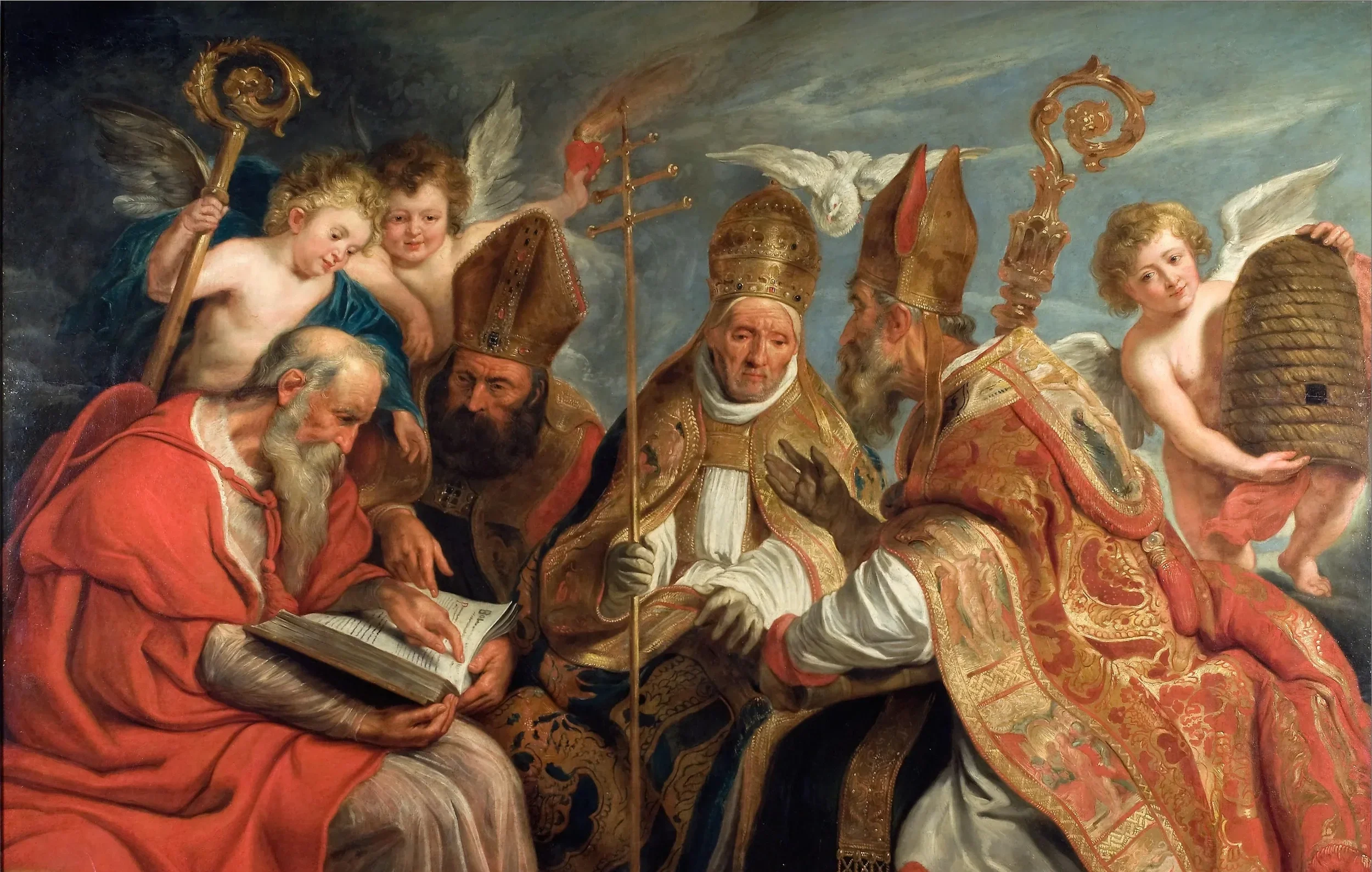
Fathers & Popes
Compass
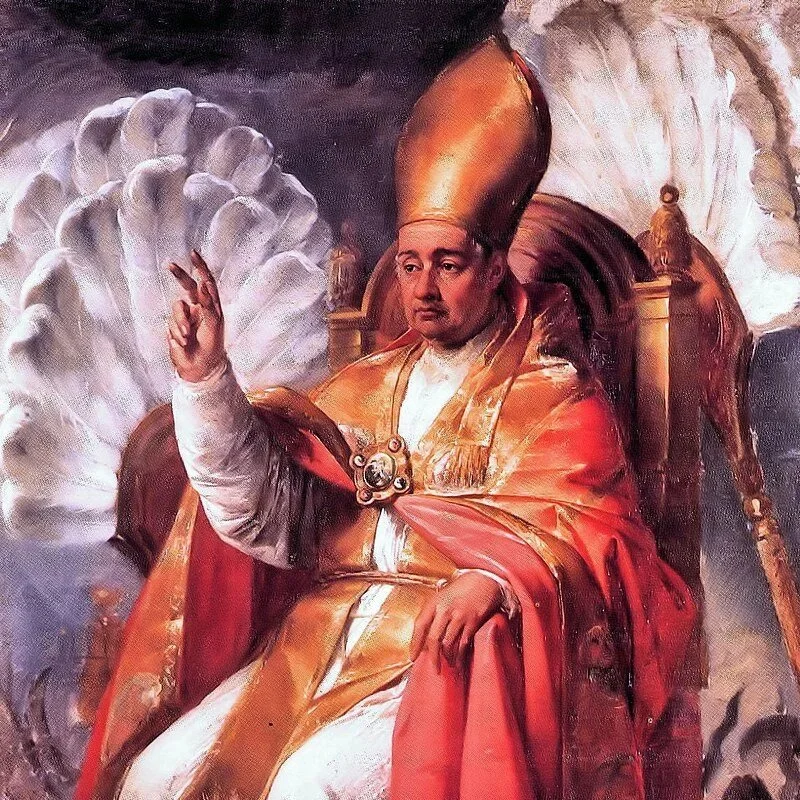
Gregorius XVI
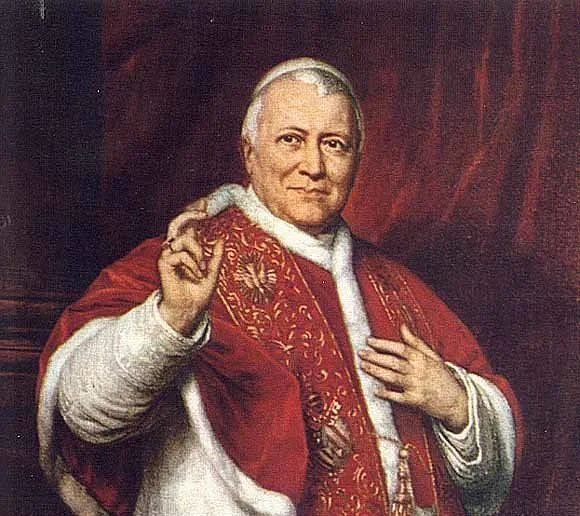
Pius IX
Mirari Vos
The Great Doctors of the Church
The Popes as Guardians of Tradition
The Papacy in Peril & Providence
Luminaries of the Faith
“He saith to him the third time: Simon, son of John, lovest thou me? Peter was grieved, because he had said unto him the third time: Lovest thou me? And he said to him: Lord, thou knowest all things; thou knowest that I love thee. He said to him: Feed my sheep.”
John xxi. 17
Douay-Rheims Bible
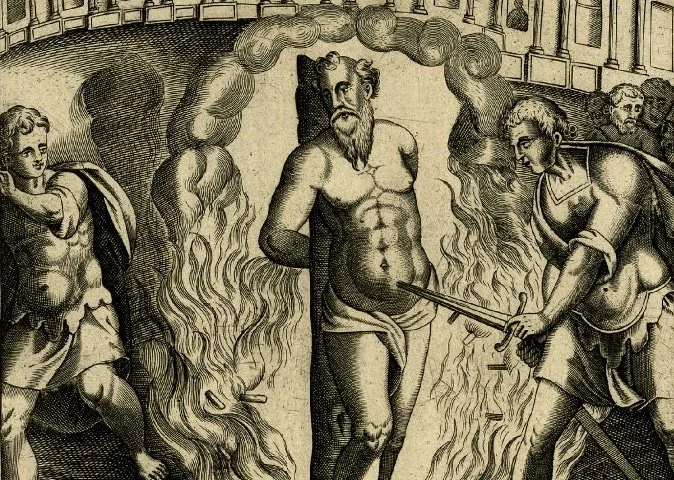
St. Polycarp of Smyrna
"Whosoever does not confess that Jesus Christ has come in the flesh, is antichrist." c. AD 135
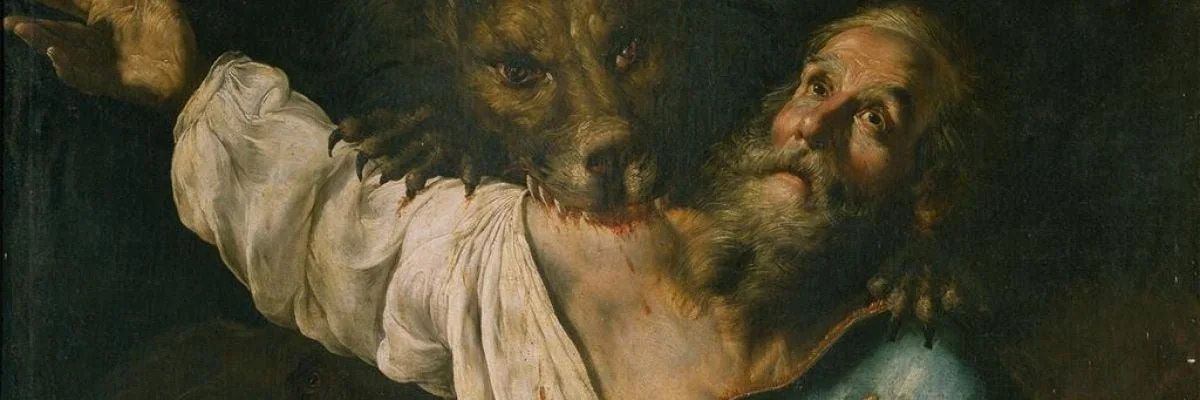
St. Ignatius of Antioch
"Wherever the bishop shall appear, there let the multitude of the people also be; even as where Christ is, there does all the heavenly host stand by…" c. AD 107
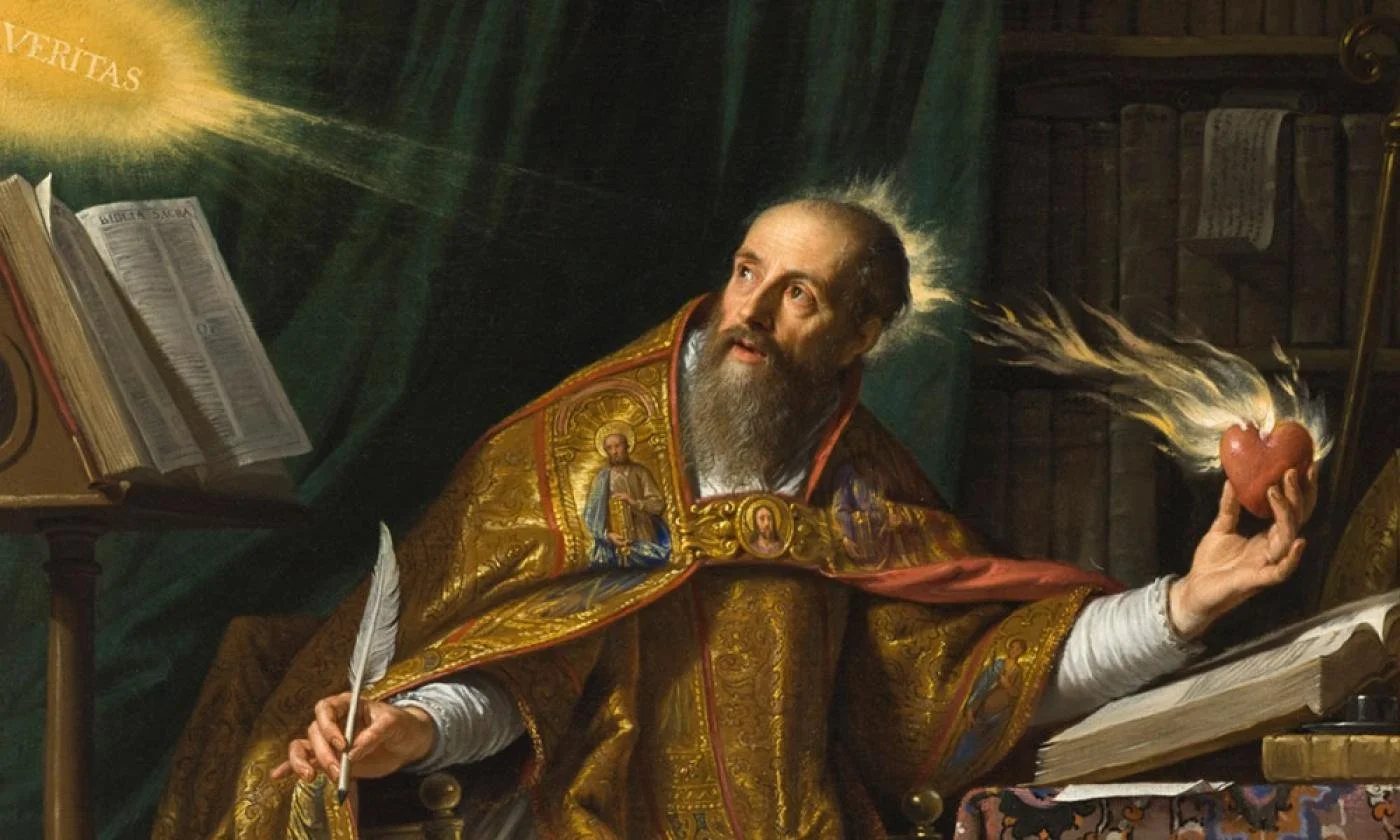
St. Augustine of Hippo
"Our heart is restless until it rests in Thee." c. AD 397
Pillars of Wisdom,
Servants of Truth
The Church Fathers and the Popes stand as pillars of wisdom, entrusted with the grave responsibility of guarding and transmitting the law of God. Their lives and writings reveal both a profound fidelity to divine truth and a willingness to suffer for its defense.
Saint Ignatius of Antioch, writing on his way to martyrdom (to be devoured by lions in the Flavian Amphitheater during the reign of Emperor Trajan) around the year 107, exhorted the faithful: "Let no man do anything connected with the Church without the bishop. Let that be deemed a proper Eucharist, which is [administered] either even as, wherever Jesus Christ is, there is the Catholic Church." (Letter to the Smyrnaeans, 8). In these few words, he testifies to the unity of the Church under apostolic authority, inseparable from Christ Himself.
The Popes likewise understood the weight of their office. Pope Saint Leo the Great (440–461), who defended both the unity of Christ’s person and the primacy of the Roman See, declared: “The care of the universal Church should converge toward Peter’s one seat, and nothing anywhere should be separated from its Head.” (Sermon 3, On His Birthday). Such words remind us that the papal office is not mere governance, but a sacred trust to preserve the truth given by Christ.
To read the Fathers and Popes is to encounter a living tradition that binds the faithful to Christ across centuries. Their legacy is not abstract history, but light for our own time, for as Saint Vincent of Lérins taught, the true Catholic faith is that which has been believed “everywhere, always, and by all.” [quod ubique, quod semper et quod ab omnibus creditum est] (Commonitorium, 2,5). In their wisdom we find not only doctrinal clarity but also the sure witness of holiness, courage, and a love that sought only to serve God and shepherd His people.
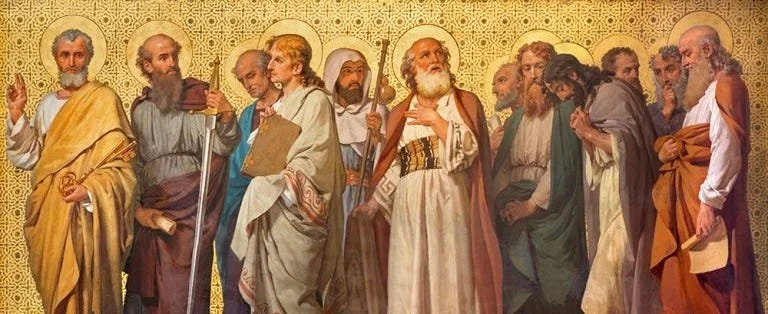
The Apostolic & Early Fathers
The term Apostolic Fathers refers to those holy men who lived and taught during the generation immediately following the Apostles, and some were even their direct disciples. These Fathers, such as Saint Clement of Rome, Saint Ignatius of Antioch, and Saint Polycarp of Smyrna, hold a unique authority because they bear witness to the living tradition and explicit teachings received from those who walked with Our Lord, ensuring the nascent Church was grounded in the truth.
They served as a bridge, faithfully delivering the depositum fidei, the sacred trust of doctrine, and their writings stand as an irreplaceable testament to the purity of the early Christian worship and structure, including the real presence of Christ in the Eucharist and the hierarchical nature of the Church under bishops and presbyters (later called “priests”). Their constancy in the face of persecution cemented the fortitude required to uphold the faith against all heretical novelties and worldly powers.
Following the Apostolic era, the Early Church Fathers like Saint Justin Martyr, Saint Irenaeus of Lyons, and Tertullian arose to defend the revealed truths against the emerging heresies, particularly the pernicious error of Gnosticism.
These valiant Doctors diligently illuminated the meaning of Holy Scripture and clarified the true nature of God: Father, Son, and Holy Spirit, and the Incarnation of Our Lord Jesus Christ. Their work was essential for the true Church, guided by the Holy Spirit, to distinguish divine truth from human error. Through their learned treatises and eloquent apologies, they preserved the orthodoxy of doctrine, establishing the proper theological vocabulary and framework which was, for centuries, the infallible standard for all later expressions of the Catholic Faith before the heresy of Modernism which was warned about (cf. Quanta Cura, 1864, Bl. Pope Pius IX; Pascendi Dominici Gregis, 1907, Pope Saint Pius X, et al.) had sought to alter it.
The unanimous witness of these blessed Fathers, both Apostolic and Early, provides the surest path for Catholics to understand the immutable mind of the Church. Their expositions on the Sacraments, their reverence for the Holy Sacrifice of the Mass, which is the true and unbroken worship of God, and their devotion to the Blessed Mother, Mary, Ever-Virgin, collectively form an unbroken chain of tradition extending directly from the Apostles.
Therefore, their writings are not merely historical relics but a living rule of faith, illustrating the practices, discipline, and understanding of the Church which remained constant until the unfortunate changes were introduced. To deviate from the consensus of the Fathers is to cast oneself into the swirling darkness of private judgment and novel opinion, away from the divinely protected sanctuary of the one, true Church.
The Post-Nicene Fathers
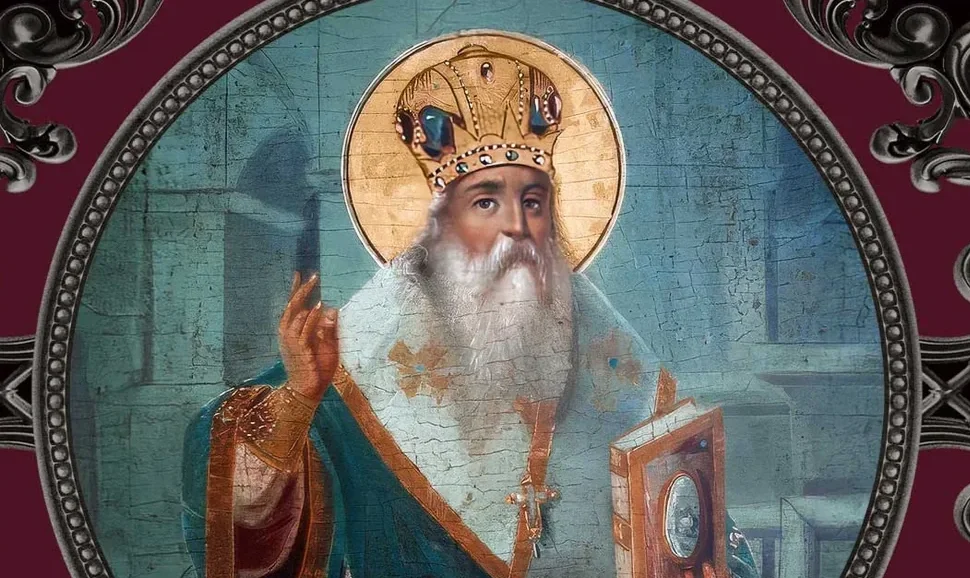
St. Athanasius
“They have the premises, but you have the Apostolic Faith. They can occupy our churches, but they are outside the true Faith." c. AD 361
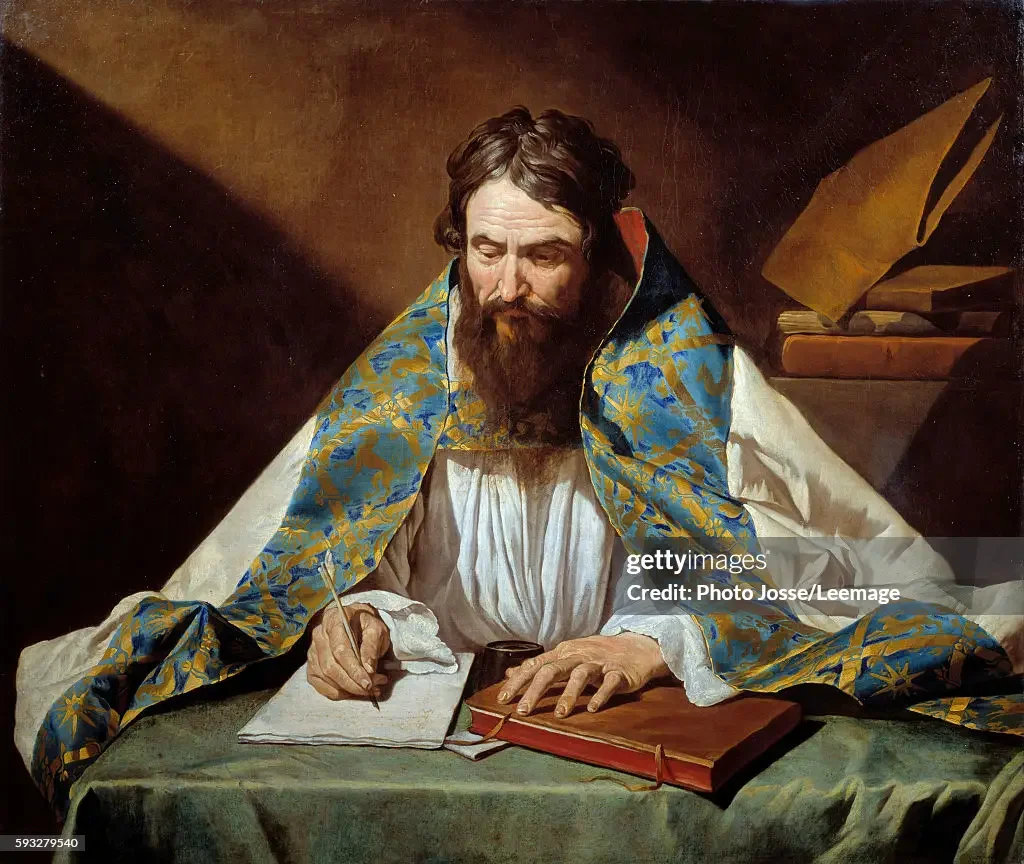
St. Ambrose of Milan
“Let us, then, keep the precepts of our forefathers, nor with rude and reckless daring profane the symbols bequeathed to us.”
(De Fide, Book III, 15.128) c. AD 378
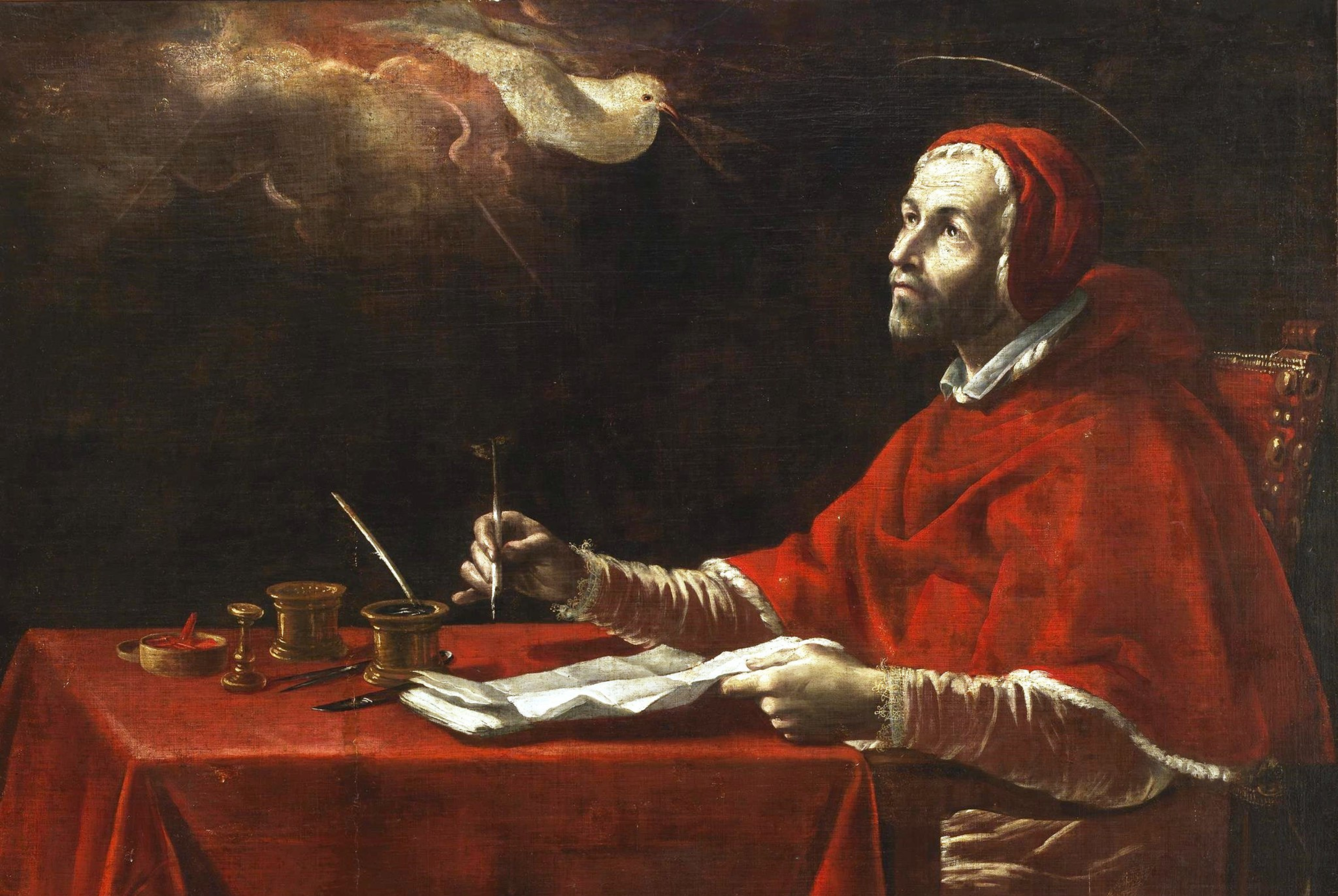
St. Gregory the Great
The Post-Nicene Fathers, those illustrious Doctors and Pastors who flourished from the Council of Nicaea until the death of St. Gregory the Great, represent the golden age of sacred erudition and the fortified defense of the Consubstantial Word.
During this epoch, the Church, having emerged from the catacombs, was forced to contend with the subtle malice of the Arians and other innovators who sought to undermine the divinity of Christ.
Such holy men as St. Athanasius, St. Basil the Great, and St. Hilary of Poitiers served as the very hands of the Holy Ghost at the workbench of the Church, driving the chisel that refined the language of the Faith, carving away the numerous flawed attempts of heretics, as they proceeded to artfully engrave and polish the doctrine with precise theological language and absolute devotion upon the mighty pillars of the Faith.
Furthermore, these Fathers emphasized that the governance and liturgical life of the Church are inseparable from the supernatural life of the soul. In their voluminous commentaries and homilies, they consistently pointed to the primacy of the Roman See as the anchor of orthodoxy amidst the storms of worldly interference and political infiltration. St. Ambrose and St. John Chrysostom, by their courageous rebukes of imperial overreach, taught the faithful that the things of God are not subject to the whims of secular rulers or those who would attempt an illegitimate takeover of the sanctuary. They lived and taught the principle that the Church is a perfect society, independent and superior in its spiritual mission to any earthly power, guided always by the Holy Spirit to preserve the traditions of the ancients.
Finally, the Post-Nicene era serves as a perpetual witness that the true Church is known by her antiquity and her unwavering adherence to what has been believed "always, everywhere, and by all." To illustrate this enduring stability, we recall the words of the Psalmist as preserved in the Douay-Rheims Version: "But thou art always the selfsame, and thy years shall not fail" (Psalm 101:28). This truth is mirrored in the Latin Vulgate: Tu autem idem ipse es, et anni tui non deficient (Psalmi 101:28). Just as the Post-Nicene Fathers triumphed over the sophisticated errors of their day, their writings continue to provide the faithful with the necessary weapons to discern and reject any modern attempt to subvert the Holy Roman Catholic Church under the guise of "conciliar" innovation or "postconciliar" reform.